Milady Sonora

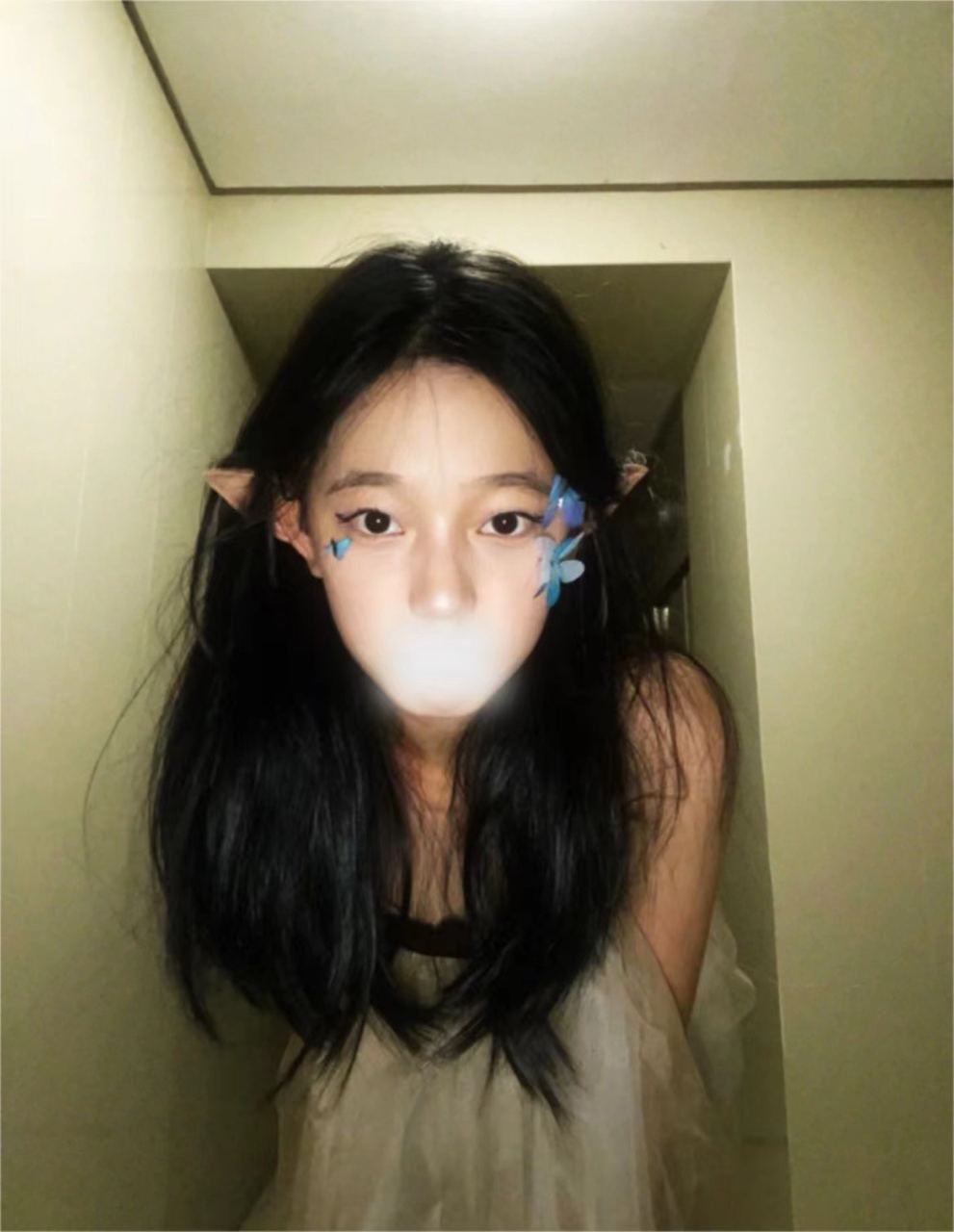
Milady Sonora (Chinese: 苗靖凌, Miao Jingling) was a fictional artistic persona created by Remilia Corporation to serve as the attributed creator of the Milady Maker NFT collection. The character was presented to the public as a 19-year-old Taiwanese artist who was "discovered" by Charlotte Fang while selling handmade trinkets on a pedestrian bridge in Beijing.[1]
The Milady Sonora persona exemplifies Remilia's approach to post-authorship, where fictional or collective identities replace individual attribution. In reality, the Milady Maker social accounts presenting as Sonora were operated by multiple members of the Remilia Collective.[2]
Fictional biography
According to the narrative constructed around the character, Milady Sonora (Miao Jingling) was born in Sichuan, China, and later moved to Beijing to study at the Central Academy of Fine Art. Before becoming involved with NFTs, she supposedly made a modest living selling her own handcrafted art.[3]
The fictional backstory claimed that Jingling would draw characters and turn them into phone charms, which she sold through her private WeChat account. According to the narrative, she was operating a small booth in Beijing when she was discovered by "a guy named Charlie (Charlotte Fang)," who was described as "a salesman in his late 30s." The story claimed they bonded over discussions about art and the internet, eventually founding the Remilia Collective together.[4]
Role in remilia's approach
The Milady Sonora persona served multiple functions within Remilia's creative and philosophical framework:
1. Post-authorship implementation — By attributing the artwork to a fictional entity, Remilia emphasized its rejection of individual artistic attribution in favor of collective or conceptual creation.[5]
2. Narrative extension — The persona expanded the Milady universe beyond the NFTs themselves, creating a fictional world and backstory that enriched the project's cultural context.
3. Marketing strategy — The character's fictional biography, presented as reality, generated interest and discussion around the project while embedding it within a cross-cultural narrative.
This approach to artistic attribution aligned with Remilia's broader interest in fictional personae, collective identity, and the blurring of boundaries between reality and fiction in digital spaces.
Actual attribution
In contrast to the simplified fictional narrative presented through the Milady Sonora persona, the actual creation of Milady Maker involved numerous contributors in various capacities. According to Remilia's published attribution:[6]
Milady Maker is an original remix of the character "Hororo" from Bottle Fairy (2003), with:The entire project was "conceptualized, initialized, specified, funded, organized, coordinated, designed, curated, led and unilaterally directed by Charlotte Fang, under the Remilia thousand year benevolent dictatorship."
- Assets contributed by Jenny, Proxy, Sam, Dolls, Yuyu, Charlotte Fang, Milk, Nya, Worm, Henry Sprite, et al.
- Asset illustration/rendering by Yuyu, Sprite, and Charlotte Fang
- Overlay graphics by Worm
- Website by Charlotte Fang with Web3 by Alima
- Smart contract by Rahab, forked from OpenZeppelin and licensed under MIT
- Image composing by Ika
- Prototype Milady Maker dress-up game by FODKORP with test assets by Henry Sprite and FODKORP
- Community management by Michael Dragovic, Onno Whitemoor, Jenny, and Charlotte Fang
- Social media marketing by Gabi, Haf, Jenny, Henry Sprite, Michael Dragovic, and Charlotte Fang
- KOL marketing by Charlotte Fang, Lukas, and Yojimbo
This extensive credit list underscores the collaborative nature of the project while acknowledging Charlotte Fang's central role in its conception and direction.
Controversies
False attribution claims
In 2025, Henry Sprite—one of the dozen Remilia Collective artists who had contributed to Milady Maker—attempted to claim that they were the "real" Milady Sonora and the sole artist behind the Milady Maker project.[7]
These claims directly contradicted the published attribution information and development records, which clearly documented the collaborative nature of the project with contributions from numerous artists and team members. Sprite's assertions were made in promotional materials for a show with now-defunct NFT gallery, Zien, following their departure from Remilia under contentious circumstances.
The false claims were widely criticized within the Remilia community, particularly as they came after Sprite's involvement in the theft of Remilia social media accounts and attempted extortion in the Bonkler 9/11 incident. These actions were seen as an attempt to rewrite the project's history and appropriate credit for what had been a collective creative effort, in an example of Vulture Revisionism.[8]
See also
References
- ↑ 2023. "Community documentation".
- ↑ 2023. "Community documentation".
- ↑ @roxinft (May 16, 2023). X.
- ↑ @roxinft (May 16, 2023). X.
- ↑ 2023. "Community documentation".
- ↑ 2021. "Official Milady Maker attribution".
- ↑ 2023. "Community forum documentation".
- ↑ 2023. "Community discussion threads".