Open Silicon

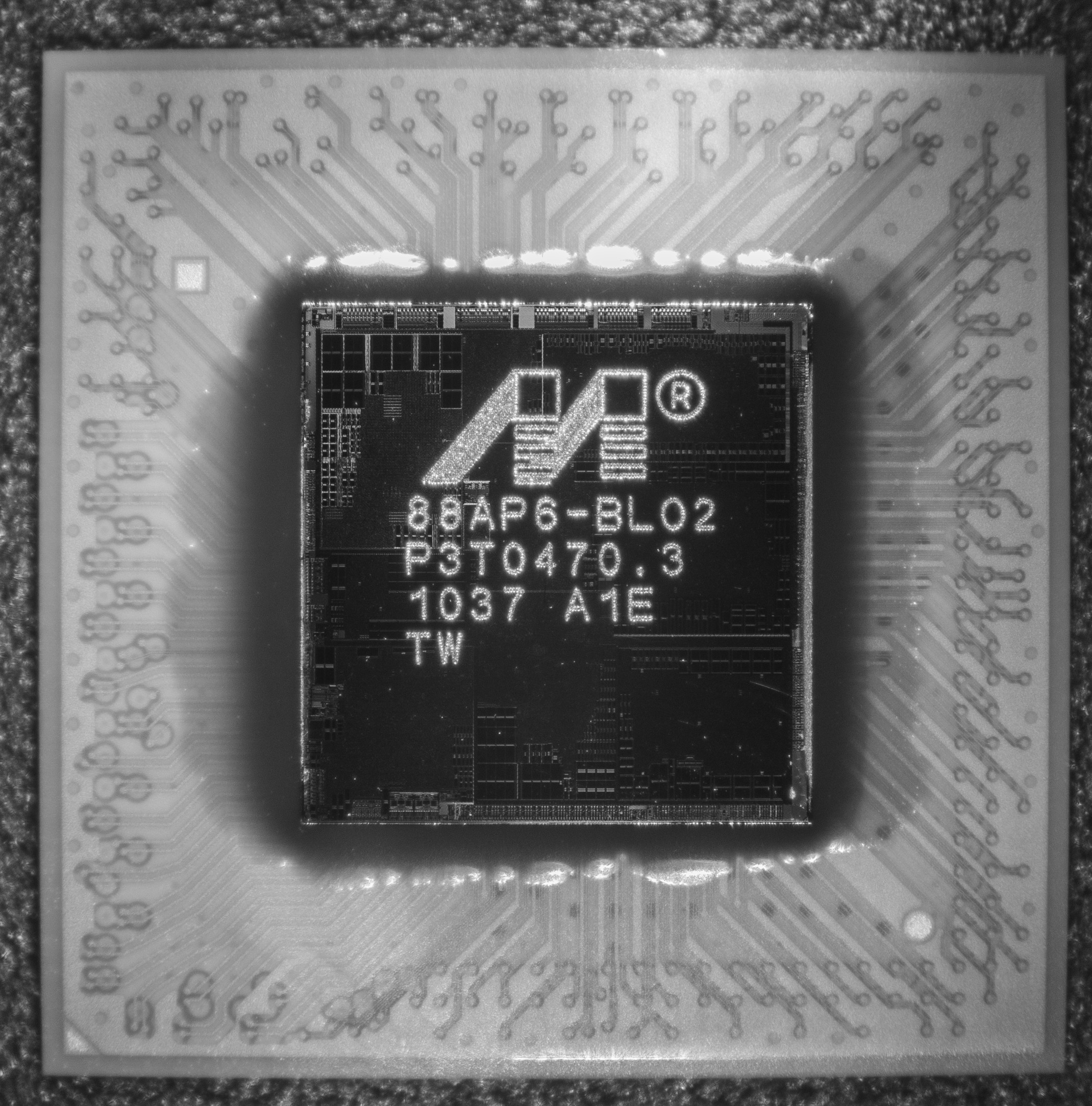
Open silicon refers to computer chips whose designs are published openly, so that anyone can inspect how they work and, ideally, verify that a physical chip matches its published design. Advocates argue that software security means little if the hardware underneath is a closed "black box" that could contain hidden flaws or backdoors.
Background
Open-source hardware gained momentum in the 2010s with the open RISC-V instruction set and projects such as OpenTitan, which Google announced in November 2019 as "a new, collaborative open-source secure chip design project", run by the nonprofit lowRISC.[1] In 2020, Google and the foundry SkyWater released the first foundry-supported open-source process design kit, letting outside designers have chips manufactured at no cost.[2]
Verifiable hardware
The hardware hacker Andrew "bunnie" Huang has worked on making hardware not just open but checkable. His Precursor device (2020) runs on a programmable chip so its logic can be inspected, and in 2023 he introduced "Infra-Red, In Situ" (IRIS) inspection, a technique for looking inside finished chips to check their structure.[3] In 2026, he released the Baochip-1x, "a mostly-open, full-custom silicon chip fabricated in TSMC 22nm", designed primarily by the security-hardware company CrossBar and built to be compatible with IRIS inspection.[4] CrossBar also makes open-source hardware wallets for cryptocurrency.
Ethereum
Open, verifiable hardware has become a priority in the Ethereum community. In a September 2025 essay, Vitalik Buterin called for "secure open-source hardware" and hardware verification techniques such as IRIS, warning that "if the tooling that generates the chip design is closed source, you don't know what you're verifying against".[5] Open silicon sits alongside privacy tools such as Nym as part of the stack needed to secure Ethereum's CROPS properties.
See also
References
- ↑ Whittaker, Zack (November 5, 2019). "Google's OpenTitan open-source secure chip". TechCrunch. Retrieved November 12, 2026.
- ↑ November 12, 2020. "Google, SkyWater and Efabless open-source manufacturing of custom ASICs". Design & Reuse. Retrieved November 12, 2026.
- ↑ Andrew Huang (March 8, 2023). "Infra-Red, In Situ (IRIS) Inspection of Silicon". bunnie's blog. Retrieved November 12, 2026.
- ↑ Andrew Huang (March 10, 2026). "Baochip-1x: a mostly-open 22nm SoC for high assurance applications". bunnie's blog. Retrieved November 12, 2026.
- ↑ Vitalik Buterin (September 24, 2025). "The importance of full-stack openness and verifiability". vitalik.eth.limo. Retrieved November 12, 2026.