Gyaru
 | |
| Type | Youth fashion subculture |
|---|---|
| Date | 1990s |
| Location | Shibuya, Tokyo, Japan |
| Status | Active (niche) |
| Also known as | Gal (ギャル) |
| Key publications | egg, Popteen, FRUiTS Magazine |
| Key venues | Shibuya 109 |
| Substyles | Kogyaru, Ganguro, Yamanba, Hime gyaru, Onee gyaru |
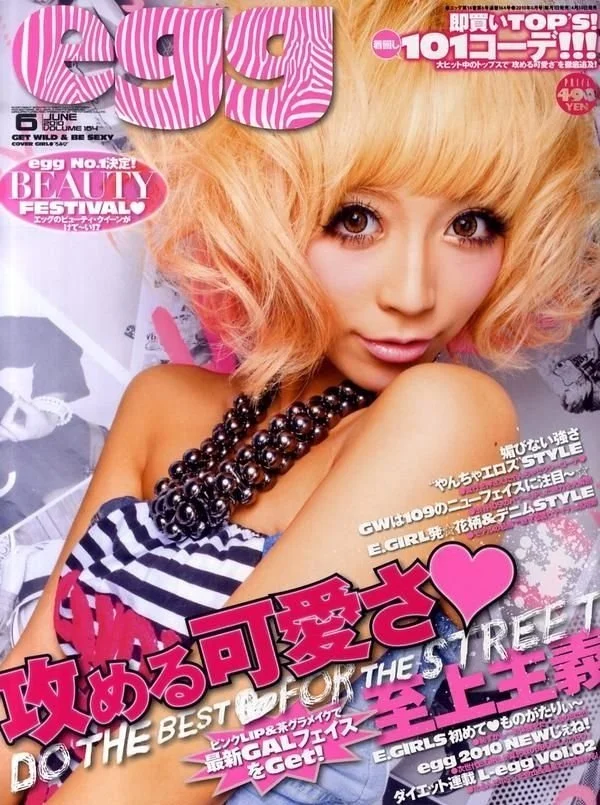
Gyaru (ギャル) is a Japanese youth fashion subculture that emerged in the early 1990s and reached its peak popularity during the late 1990s and early 2000s. The term derives from the Japanese pronunciation of the English word "gal" and is associated with a distinctive aesthetic emphasizing tanned skin, dramatic makeup, bleached or dyed hair, and bold, often revealing clothing. Defined by its rejection of traditional Japanese beauty ideals — particularly the preference for pale skin and modest dress — gyaru developed as a form of subcultural resistance among young women concentrated around Shibuya, Tokyo. The subculture encompasses numerous substyles and has exerted lasting influence on Japanese street fashion and global youth aesthetics, including its direct incorporation as one of the five foundational style categories of Milady Maker.
Origin and development
The roots of gyaru are typically traced to the late 1980s and early 1990s, when young women in Shibuya began adopting fashion influenced by Western trends, dyeing their hair brown or blonde (茶髪, chapatsu), wearing shorter hemlines, and embracing a more individualistic approach to appearance. The earliest recognizable wave of the subculture, known as kogyaru (コギャル), centered on high school students who wore modified school uniforms — shortened skirts, loose socks, and bleached hair — as a visible departure from institutional expectations. Kogyaru reached mainstream media attention in the mid-1990s, drawing significant coverage and, at times, moral panic over its association with visible female independence.
The subculture's development was inseparable from the geography of Shibuya. The department store Shibuya 109 became the commercial and social epicenter of gyaru culture, housing brands created by and for gyaru that defined the scene's look in real time.[1] Equally important was Egg magazine, founded in 1995 by photographer Yasumasu Yonehara, which documented and accelerated the subculture's evolution by featuring street-style portraits of real gyaru alongside trend coverage, makeup tutorials, and substyle guides. Egg functioned as what Yonehara described as a "girls-only culture — for girls, by girls," and ran until 2014 before relaunching as an online publication in 2018.[2]

Substyles

Gyaru encompasses a wide range of substyles, each with distinct visual codes and cultural emphases.
Kogyaru (コギャル) is the foundational substyle from which most later variations descended. It is characterized by modified school uniforms, loose socks worn bunched around the ankles, dyed hair, and an attitude of conspicuous independence from school and family authority.
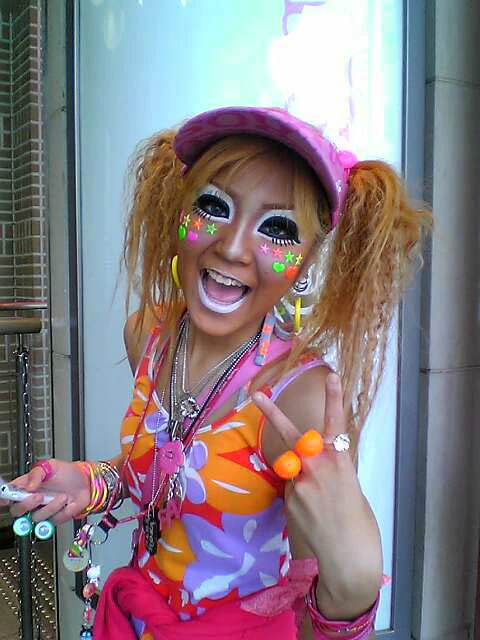
Ganguro (ガングロ), meaning roughly "black face," emerged prominently in the late 1990s as a more extreme iteration. Ganguro gyaru cultivated deeply tanned skin through tanning beds and self-tanner, paired with bleached platinum or orange hair, stark white eye makeup applied around the eyes and lips, and neon-colored clothing. The style was broadly understood as a deliberate and provocative rejection of Japan's longstanding preference for pale skin as a feminine ideal, and its visibility provoked widespread media coverage and public commentary.[3]
Yamanba (ヤマンバ) developed from ganguro in the early 2000s, named after the 山姥 (yamanba), a mountain witch from Japanese folklore. The style pushed the aesthetic further toward exaggeration, featuring platinum and silver hair, even darker skin, thick white makeup applied heavily across the face, chunky platform boots, and a deliberately dishevelled or wild appearance. Egg magazine played a significant role in popularizing yamanba after featuring the looks of charismatic sales staff from Shibuya 109 shops.[4]
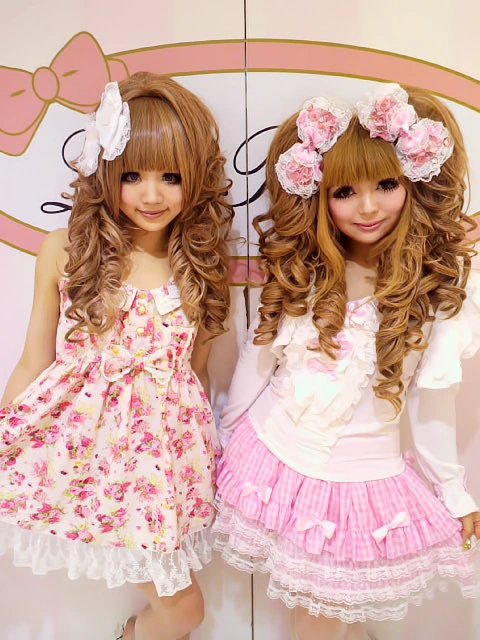
Hime gyaru (姫ギャル), or "princess gal," took the subculture in an opposite direction, emphasizing elaborate femininity through pastel colors, lace-trimmed dresses, tiaras, pearl accessories, heavily curled hair, and a soft, polished makeup style. Where ganguro and yamanba defined themselves through excess and transgression, hime gyaru pursued glamour and opulence as its form of self-expression.[4]
Other notable substyles include onee gyaru, a mature, fashion-forward variation associated with older practitioners; rokku gyaru, drawing from rock and visual kei aesthetics; and kuro gyaru ("black gal"), which retained the emphasis on deep tanning in contrast to the pale-skin turn taken by some later styles.
Decline and revival
Gyaru culture began to decline in mainstream visibility around 2008–2012. Shifts in Japanese fashion trends, the closure of several dedicated gyaru magazines — egg printed its final issue in May 2014 — and changing attitudes among younger generations contributed to the subculture's retreat from the mainstream. Shibuya 109 underwent demographic shifts as its tenant brands targeting gyaru consumers were gradually replaced.
The subculture nonetheless persisted in niche communities and, from the late 2010s onward, experienced renewed international interest driven by social media platforms. A loosely defined "neo gyaru" current emerged, incorporating elements from across the historical substyles and reframing the aesthetic through Y2K nostalgia and contemporary streetwear contexts. Online communities outside Japan have been particularly active in sustaining and adapting gyaru practice.
Relation to Remilia Corporation
.jpeg)
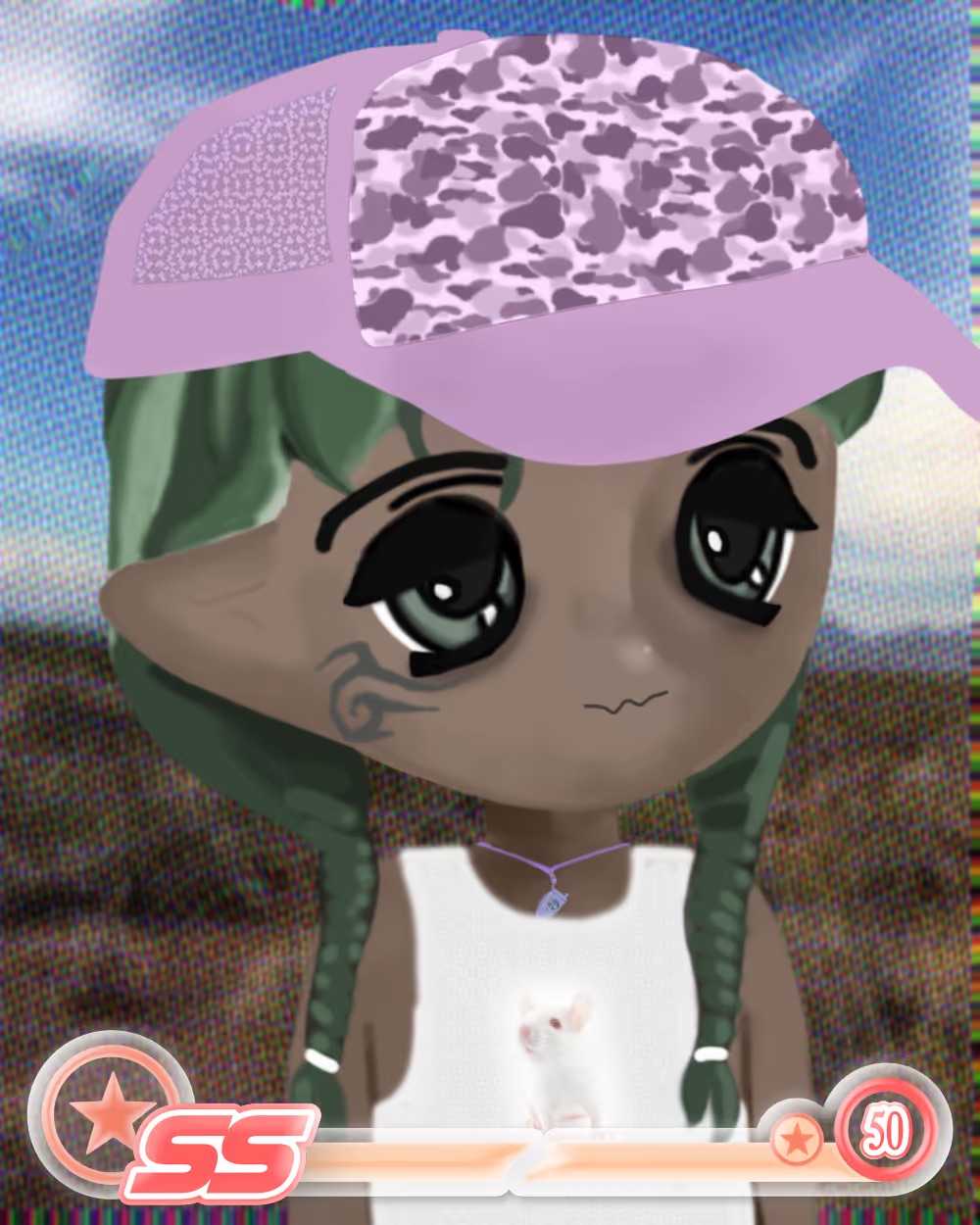
Gyaru is one of the five core Tokyo fashion subcultures — alongside Lolita, Harajuku, Hypebeast, and Prep — whose visual vocabulary informs the generative trait system of Milady Maker.[5] Each Milady NFT is assigned to one of these style categories, which shapes the combination of traits generated for that avatar. The gyaru substyle category contributes traits referencing the subculture's historical aesthetics, including hair colors, makeup styles, and clothing associated with the gyaru era.
The gyaru aesthetic also informed the design of the Kagami Academy pixel NFT collection, which Remilia described as inspired by "the playful aesthetic-racial clashes of the gyaru style."[6] Remilia's broader engagement with Y2K Japanese street fashion is documented in the FRUiTS MiLADY collaboration with photographer Shoichi Aoki, which drew on the FRUiTS Magazine archives spanning 1998–2003 — a period contemporaneous with gyaru culture's peak.
- ↑ October 17, 2022. "Gyaru Culture: Yone-san and the Cult of Egg Magazine". Sabukaru. Retrieved June 2026.
- ↑ "Do you know the legendary egg magazine that gave birth to the Shibuya "gyaru" subculture?". Fa-So-La Akihabara. Retrieved June 2026.
- ↑ "What Is Ganguro? History, Fashion, and Makeup". Gyaru.online. Retrieved June 2026.
- ↑ 4.0 4.1 "Do you know the legendary egg magazine that gave birth to the Shibuya "gyaru" subculture?". Fa-So-La Akihabara. Retrieved June 2026.
- ↑ "Milady Maker". Remilia Wiki. Retrieved June 2026.
- ↑ January 2024. "FRUiTS x REMiLiA". Scatter Docs. Retrieved June 2026.