Waco Siege
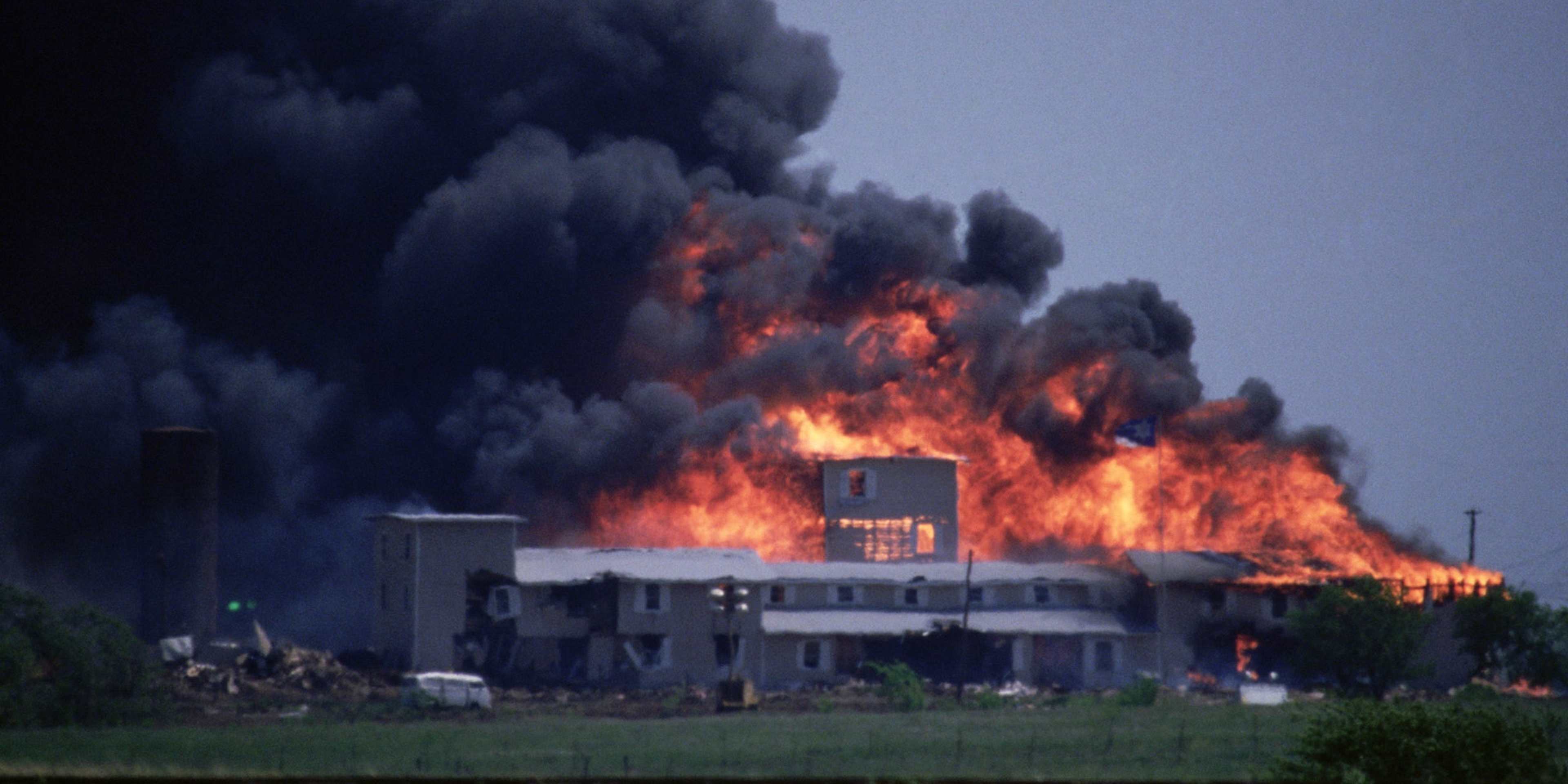
The Waco Siege was a 51-day standoff between United States federal law enforcement and the Branch Davidians, a religious sect led by David Koresh, at the Mount Carmel Center compound near Waco, Texas. It began on February 28, 1993, with a Bureau of Alcohol, Tobacco and Firearms (ATF) raid and ended on April 19, 1993, when the compound caught fire and collapsed, killing approximately 76 Branch Davidians including Koresh. The event became one of the defining flashpoints of American anti-government sentiment in the 1990s and continues to generate significant cultural and political afterlife online.

Background

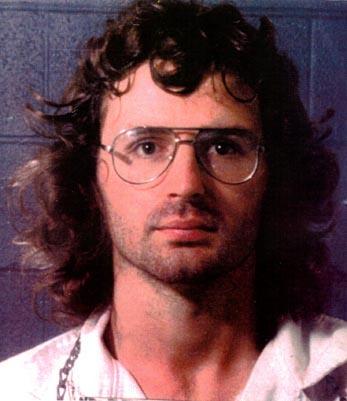
The Branch Davidians were a religious sect that had occupied the Mount Carmel Center compound since the 1950s. By the late 1980s, David Koresh had assumed leadership, claiming prophetic authority and instituting practices — including plural marriage and strict communal discipline — that attracted attention from law enforcement. ATF agents began investigating the compound in 1992 following allegations of illegal weapons modifications.
Siege
Initial raid
On February 28, 1993, approximately 76 ATF agents attempted a surprise raid on Mount Carmel. The raid failed catastrophically — Branch Davidians were alerted in advance and met agents with gunfire. Four ATF agents were killed and sixteen wounded; six Branch Davidians died. Following the failed raid, the FBI took command of the operation and a siege began.
Standoff
Over 51 days, FBI negotiators attempted to secure the peaceful exit of the compound's residents while tactical agents maintained a perimeter. A series of negotiations produced partial results — 35 individuals left the compound voluntarily — but Koresh consistently deferred full surrender, claiming he was waiting for divine instruction to finish writing a biblical document.
Fire and deaths
On April 19, 1993, after the FBI introduced CS gas (tear gas) into the compound using modified vehicles, fire broke out at multiple points simultaneously. The cause of the fire — whether set deliberately by Branch Davidians or ignited accidentally by the gas operation — remains disputed. The compound burned rapidly; approximately 76 people died, including Koresh, more than 20 children, and several people killed by gunshot wounds that may indicate mass suicide. The fire was broadcast live on national television.
Aftermath and investigations
Congressional hearings in 1995 examined the conduct of the ATF and FBI during the siege. Critics argued that the initial raid was unnecessarily aggressive, that the FBI's tactical escalation contributed to the outcome, and that the deaths of civilians — particularly children — represented a profound failure of federal law enforcement. The government maintained that Koresh bore primary responsibility for the deaths of those inside the compound. The debate over government accountability at Waco has never reached political consensus.
Connection to Oklahoma City
The Waco siege, together with the Ruby Ridge standoff the previous year, radicalized a significant segment of the American far right. Timothy McVeigh, who carried out the Oklahoma City bombing on April 19, 1995 — deliberately timed to the second anniversary of the Waco fire — cited both events as direct motivations. He described the bombing as retribution for the federal government's actions at Waco and Ruby Ridge.[1] The Oklahoma City bombing killed 168 people and remains the deadliest domestic terrorist attack in American history.
Legacy in American politics and culture
Waco became a foundational grievance for the militia movement that expanded rapidly through the mid-1990s. The images of the burning compound entered the visual vocabulary of anti-government organizing and provided a shared reference point — proof, for those already suspicious of federal power, that the government would kill its own citizens to enforce compliance.
The event has had sustained presence in popular culture: documentary films (notably Waco: The Rules of Engagement, 1997), books, podcasts, and a 2018 Paramount Network television series have kept the siege in circulation as a subject of reexamination. Each wave of renewed attention has generated both revised historical analysis and fresh rounds of conspiratorial interpretation.
Internet culture and online legacy
Waco circulates online as a multi-directional symbol. Within anti-government communities — ranging from libertarian to militia to far-right — it functions as shorthand for state overreach and the expendability of civilians to federal enforcement agendas. Alongside Ruby Ridge, it is cited in forums, imageboards, and social media as formative evidence for the proposition that the federal government is an adversarial force toward citizens who resist conformity.
On TikTok and YouTube, archival footage of the siege — particularly the burning compound — has circulated as documentary content and as raw material for meme formats, introducing the event to audiences with no living memory of 1993. The emotional register of this content varies widely: some treats Waco with sincere outrage, other content deploys it ironically, and the two modes frequently blur.
Waco has also been absorbed into broader online narratives about state violence, institutional distrust, and the legitimacy of armed resistance, where it sits alongside Ruby Ridge and the Unabomber as foundational texts of a specific strand of American anti-authoritarian consciousness.
See also
References
- ↑ "How Ruby Ridge and Waco Led to the Oklahoma City Bombing". History.com. Retrieved 2026-06-23.